What to Do for a Knocked Out Tooth: An Emergency First Aid Guide
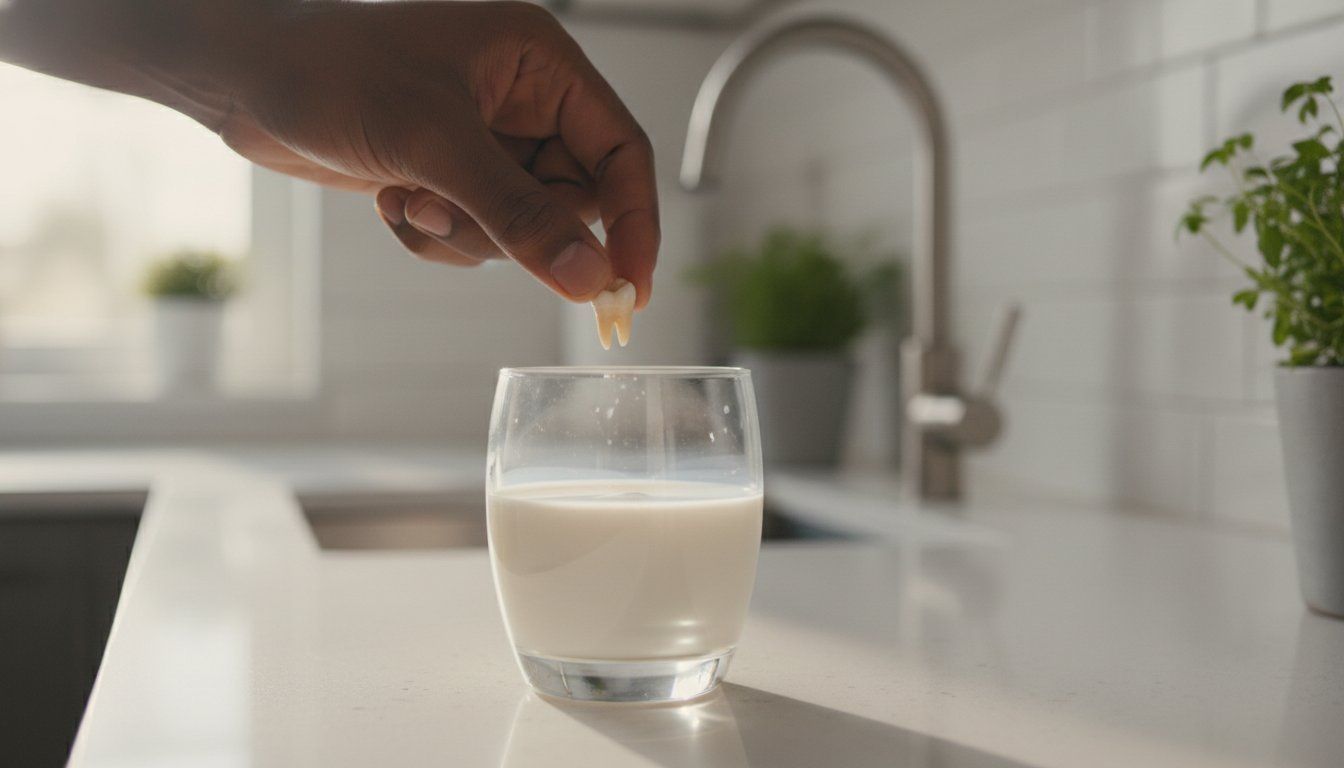
Did you know that over 5 million teeth are knocked out every year across the United States? It's a startling statistic, but it feels much more personal when an injury happens during a game at the local park or a simple mishap at home. We know that the sudden pain and the fear of permanent loss can be truly terrifying. You're likely feeling a mix of shock and confusion about whether to rush to the hospital or call a professional. Knowing exactly what to do for a knocked out tooth in those first 60 minutes is the most critical factor in saving your natural smile.
We agree that these moments are overwhelming, but having a clear plan can replace panic with purposeful action. This guide provides the exact steps to increase the chances of successful replantation and find immediate relief. We'll preview the proper way to handle a tooth, explain why you should never use tap water for storage, and outline a clear path for your recovery over the next 24 hours. Our goal is to help you move from uncertainty toward the long-term confidence of healthy smiles.
Key Takeaways
- Act within the critical 30-minute window by handling the tooth only by its crown to protect the living root fibers from damage.
- Master the essential steps of what to do for a knocked out tooth, specifically how to use cold milk as a pH-balanced storage medium to keep cells alive.
- Recognize when to leave a tooth out, as attempting to replant a baby tooth can cause permanent harm to the developing adult bud beneath it.
- Prepare for your visit by understanding how professional splinting and diagnostic X-rays work to stabilize your tooth during the recovery process.
- Identify a nearby practice in the Dundalk area to ensure that professional emergency dental care is accessible the moment an accident happens.
Table of Contents
Immediate First Aid: 5 Steps to Take in the First 30 Minutes
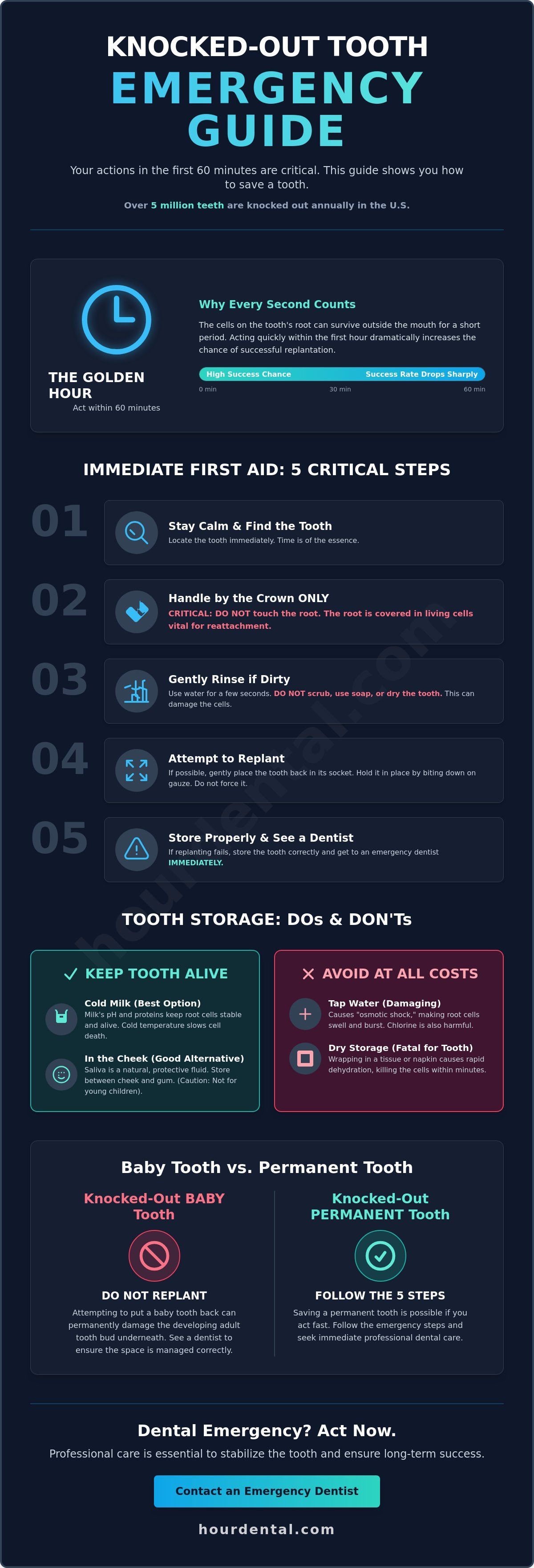
Accidents happen in a split second, whether you're playing sports near North Point Boulevard or just going about your morning routine in your Dundalk home. When a tooth is suddenly gone, the shock can be overwhelming, but your immediate actions dictate the future of your smile. The clinical term for this injury is Dental avulsion, and it requires a quick, organized response to ensure the best possible outcome. First, stay calm and find the tooth right away. Once you locate it, pick it up only by the crown, which is the white chewing surface. You must avoid touching the root at all costs. The root is covered with delicate periodontal ligament cells that are vital for successful reattachment. If the tooth is visibly dirty, rinse it very gently with water. Don't scrub it or use any cleaning agents. If you can, try to gently slide the tooth back into its socket and hold it there by biting down on a soft piece of gauze or a clean cloth. If it won't go in easily, don't force it.
Knowing what to do for a knocked out tooth involves understanding that the clock is ticking. These initial steps are the foundation of effective emergency dental care and can significantly reduce your discomfort while you prepare to see a professional.
The Golden Hour of Dental Replantation
The "Golden Hour" is the window where root cells remain most viable for a successful recovery. During these first 60 minutes, the tissues on the tooth root are still alive and capable of bonding back to the jawbone. If you act within this timeframe, the chances of saving your natural tooth are remarkably high. However, the success rate for replanting the tooth drops significantly after the one-hour mark. Cells begin to dehydrate and die once they're removed from their natural environment, making every minute count as you head toward a local expert.
Rinsing and Cleaning Do’s and Don’ts
When you're in a hurry, it's tempting to use whatever is nearby to clean the tooth, but you must be careful. Never use soap, hand sanitizer, or toothpaste to clean a knocked-out tooth. These chemicals are far too harsh for the sensitive root fibers. You should also never scrub the tooth or dry it with a towel or tissue. This friction can strip away the very cells needed for healing. While a quick rinse in water is fine to remove dirt, don't store the tooth in tap water for any length of time. The chlorine and pH levels in city water can actually damage the root cells over several minutes. Instead, keep the tooth moist in a proper storage medium until you reach the office.
Handling and Storage: Protecting the Vital Root Cells
Think of your tooth not as a hard piece of enamel, but as a living organ. Beneath that white crown are sensitive root fibers and ligament cells that need a specific environment to stay alive. When a tooth is knocked out, these cells are suddenly stripped of their blood supply and exposed to the elements. Understanding what to do for a knocked out tooth means prioritizing the health of these microscopic cells above all else. Following the correct tooth-saving steps ensures that the root remains healthy enough for a dentist to attempt a successful replantation. If you are currently facing this crisis, our team provides the compassionate emergency dental care needed to handle these delicate situations with precision.
Why Milk is the Best Storage Option
Milk is the gold standard for storage because its chemical makeup is remarkably compatible with human root cells. It has a balanced pH and contains proteins and nutrients that keep the cells on the root surface stable. Using plain tap water causes "osmotic shock." Because water has a low concentration of salts compared to the cells, it forces water into the cells, causing them to swell and burst. Milk has a balanced concentration that prevents this cellular damage. If you can, keep the milk cold. Lower temperatures slow down the metabolism and degradation of the cells, buying you precious time as you travel to the office. If milk isn't available, tucking the tooth between your cheek and gums keeps it bathed in saliva, which serves as a natural, protective environment.
The Risks of Dry Storage
Many people instinctively reach for a tissue or a napkin to wrap the tooth for safekeeping. This is a common but fatal mistake for the tooth's survival. Air is the primary enemy of root cells. Dehydration begins the second the tooth is exposed to the atmosphere, and the sensitive fibers begin to shrivel. A dry tooth root becomes non-viable within minutes, making it nearly impossible for the dentist to replant it successfully. For families who are frequently involved in sports at local Dundalk parks, keeping an emergency tooth preservation kit like Save-a-Tooth in your bag is a wise precaution. These kits contain a specialized solution designed to keep cells alive for up to 24 hours, though you should still seek professional help as quickly as possible.
Knocked Out Baby Teeth vs. Permanent Teeth: Why the Rules Change
When your child takes a tumble at a playground in Dundalk, the sight of a missing tooth is enough to make any parent's heart race. While our previous advice focused on adult teeth, the rules change entirely for our youngest neighbors. The most important rule to remember is that you should never attempt to replant a knocked-out baby tooth. It might seem counterintuitive, but forcing a primary tooth back into the socket can cause significant long-term issues. While the goal for adults is to save a knocked-out tooth, for children, the priority shifts to protecting the permanent smile waiting beneath the surface.
Identifying whether the tooth is primary or permanent is your first task. Baby teeth are typically whiter and have shorter, more rounded crowns compared to the larger, slightly more yellowed appearance of adult teeth. If your child is between the ages of six and twelve, they likely have a mix of both. When in doubt, treat the tooth as permanent and follow the storage steps we discussed earlier, but don't try to put it back in the socket yourself if there is any chance it's a baby tooth. Replanting a primary tooth can lead to ankylosis, where the tooth fuses to the jawbone, or it can directly strike and damage the developing adult tooth bud. Knowing what to do for a knocked out tooth in these early years is about preventing future complications.
Protecting the Developing Permanent Tooth
The impact that knocks out a baby tooth can travel deep into the gums. The "bud" of the adult tooth sits directly under the roots of the baby tooth. If you push the baby tooth back in, you risk infecting or physically bruising that bud. This can lead to discoloration or structural defects in the permanent tooth later in life. Parents should watch for signs of jawbone trauma, such as an inability to open the mouth fully or a visible shift in how the remaining teeth align. Even if it was "just a baby tooth," a professional dental exam is essential to ensure no fragments remain and that the area is healing correctly.
Comforting a Child During a Dental Emergency
Managing a child's fear is just as important as managing the physical injury. Use calm, reassuring language. Tell them the dentist is a helper who will make their mouth feel better soon. To handle immediate pain and bleeding, have the child bite down on a clean, cold piece of gauze. Applying a cold compress to the outside of the lip or cheek for 15 minutes can significantly reduce swelling. For pain relief, you can use children's over-the-counter ibuprofen or acetaminophen. Always follow the weight-based dosage instructions on the package or consult with a healthcare professional to ensure safety. Understanding what to do for a knocked out tooth helps you stay focused so your child feels safe and cared for.
What to Expect at Your Emergency Dental Appointment
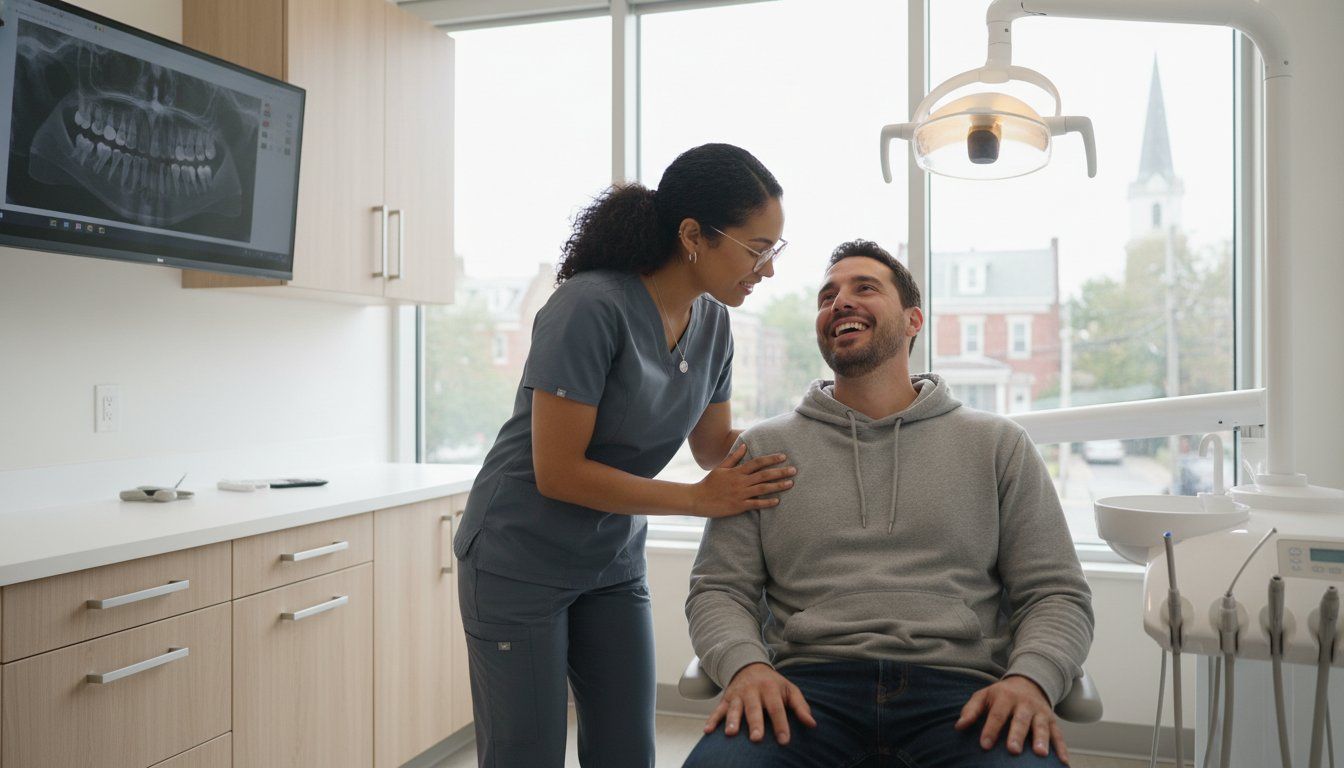
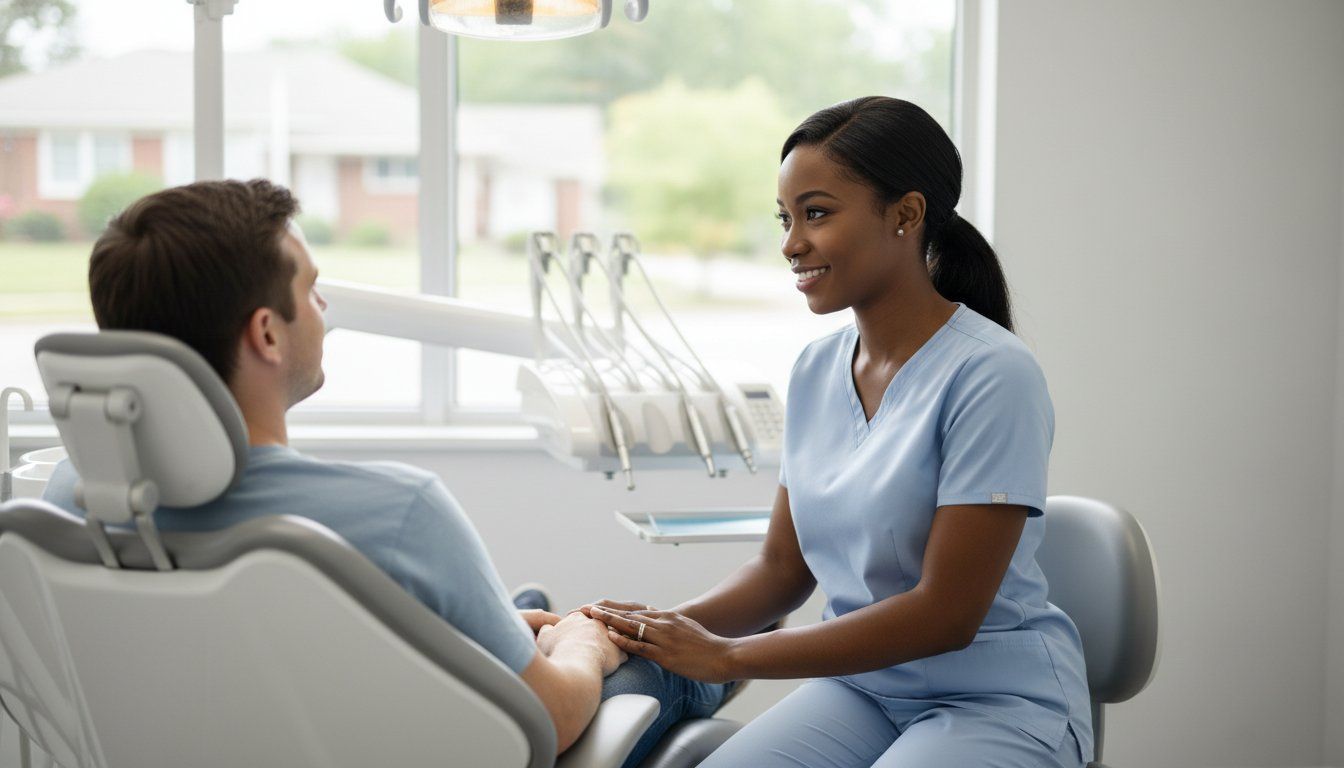
Walking into a dental office after a traumatic injury can feel like a blur of adrenaline and anxiety. Once you arrive at our Dundalk practice, the focus shifts from your immediate first aid to professional stabilization. Our first priority is to ensure you're comfortable and to assess the full extent of the damage. We'll start with a series of precise digital X-rays. These images allow us to look beneath the gum line to check for jaw fractures or root damage that isn't visible to the naked eye. Knowing what to do for a knocked out tooth before you arrive gives us a head start, but these diagnostic steps are essential for creating a long-term success plan for your smile.
During the stabilization process, we utilize local anesthesia to provide immediate relief from the sharp pain often associated with dental avulsion. Once the area is numb, the dentist carefully cleans the socket and the tooth root. If the tooth hasn't been replanted yet, we'll gently place it back into its original position. To keep it secure while the tissues begin to knit back together, we use a technique called splinting. This involves anchoring the injured tooth to the healthy ones on either side, providing the stability needed for the healing process to begin. If you're facing this situation right now, please contact us for Emergency Dental Care so we can act quickly to protect your natural tooth.
The Role of Dental Splinting
A dental splint isn't a rigid cast. Instead, we typically use a flexible splint made of thin wire or a specialized composite resin. This flexibility is intentional. It allows for a tiny amount of natural movement, which actually helps the periodontal ligament heal more effectively. Most patients will need to wear this splint for a period of 1 to 4 weeks. During this time, your diet will be a major factor in your recovery. You'll need to stick to soft foods, like yogurt or lukewarm soups, and avoid biting down directly with the splinted tooth to prevent the repair from being disrupted.
Long-Term Monitoring and Success Rates
The appointment doesn't end the recovery journey; it's just the beginning of a monitoring phase. We'll need to keep a close eye on the tooth's nerve health over the coming months. In many cases, a Root Canal Treatment is required within 7 to 10 days of the injury to prevent the pulp from becoming necrotic. We also watch for signs of resorption, a process where the body accidentally begins to break down the tooth root. If you notice any recurring throbbing or persistent swelling during your recovery, you can find additional guidance in our resource on severe tooth pain help. Our goal is to build an enduring relationship with you, ensuring that your smile remains healthy and confident for years to come.
Finding Emergency Dental Care in Dundalk and Baltimore
When a dental crisis strikes, the physical distance between your location and a professional treatment chair matters just as much as the first aid steps you've already taken. For residents living in our corner of Baltimore County, choosing a practice near North Point Blvd can save vital minutes during the "Golden Hour" we discussed earlier. While many general family dentists require appointments weeks in advance, a dedicated emergency provider understands that trauma doesn't follow a calendar. Knowing exactly what to do for a knocked out tooth involves having a specific destination in mind before an accident even occurs. Our team is committed to being that reliable community fixture, offering immediate solutions to help you regain your confidence and peace of mind.
As an established practice deeply rooted in the area, we've designed our services to be a safe haven for neighbors who might be apprehensive about urgent visits or concerned about accessibility. We prioritize urgent availability because we know that successful replantation is a race against time. Whether you're coming from a job site or a local school, having a clear plan for where to go ensures that you don't waste precious minutes searching for a provider who can see you right away.
ER vs. Dentist: Where Should You Go?
It's a common dilemma during a crisis: should you head to the hospital or a dental office? If you're experiencing uncontrolled bleeding, dizziness, or a suspected jaw fracture, the hospital emergency room is the safest choice for systemic stabilization. However, most ERs aren't equipped with the specialized tools or staff needed to replant a tooth or perform a Root Canal Treatment. For the best chance of saving the actual tooth structure, a dentist is your most effective resource. We provide emergency dentist Dundalk MD services that focus on both immediate pain relief and the long-term health of your smile.
Preparing for Your Visit to Hour Dental
When you call our Dundalk office, try to have a few details ready so we can prepare for your arrival. Let us know how long the tooth has been out, how you're currently storing it, and if there are other injuries to the lips or gums. Our location is easily accessible for families in Essex and Rosedale, making it a convenient hub for urgent care during a stressful moment. We take pride in our gentle, nurturing approach to dental trauma, ensuring that every member of your family feels understood and cared for. Our ultimate mission is to provide the professional reassurance you need to move past the initial shock and toward a healthy, lasting recovery.
Protect Your Smile with Immediate Action
A dental emergency can feel like a race against time, but you now have the tools to handle it with confidence. The most critical factors remain protecting those delicate root fibers by handling only the crown and keeping the tooth moist in cold milk. Whether you're managing a permanent tooth injury or comforting a child with a primary tooth trauma, knowing exactly what to do for a knocked out tooth can make the difference between permanent loss and a successful recovery. Acting fast is your best strategy for a healthy outcome and long-term peace of mind.
Our team is here to support our Dundalk neighbors through every step of this process. Dr. Arundati Kharel Sigdel provides expert trauma stabilization with a gentle, patient-focused touch that helps alleviate common anxieties. We offer same-day emergency appointments to ensure you receive the immediate care you deserve right when you need it most. We're committed to your long-term wellbeing and want to help you maintain a smile that stays bright and healthy for years to come.
Call Hour Dental for Immediate Emergency Care in Dundalk today for the professional reassurance and gentle care your family needs. Your smile is in good hands with your trusted local community experts.
Frequently Asked Questions
Can a tooth be saved if it has been out for more than an hour?
Yes, it's possible to save a tooth even after an hour has passed. While the first 30 to 60 minutes offer the highest success rate, proper storage in cold milk can keep the root cells viable for longer. You should still head to our Dundalk office immediately. We'll evaluate the tooth's condition and do everything possible to help it reattach to the jawbone.
How much does it cost to fix a knocked-out tooth in Dundalk?
The total cost depends on the specific procedures needed to stabilize and restore your smile. Factors like the number of X-rays, the type of splinting used, and whether you need follow-up treatments affect the final balance. We focus on providing accessible care for our neighbors. You can contact our office for a detailed breakdown after your initial emergency exam.
What if I cannot find the tooth that was knocked out?
You should still seek professional help right away even if the tooth is missing. We need to examine the area for bone fragments or hidden fractures that could cause infection. If the tooth is truly lost, we'll guide you through restorative options. We offer Fixed Bridges and Partial Dentures to help you regain your confident smile and proper bite function.
Is a knocked-out tooth a medical emergency or a dental emergency?
While identifying what to do for a knocked out tooth, remember it is primarily a dental emergency that requires specialized expertise. While a hospital ER can manage pain or stitches, they don't have the equipment to replant or stabilize teeth. However, if you're feeling dizzy or suspect a broken jaw, visit the ER first. For the tooth itself, a local dentist is the most reliable problem-solver.
What happens if a permanent tooth cannot be saved?
If a tooth cannot be replanted, we have several beautiful ways to restore your smile. We understand that losing a tooth is stressful, so we offer gentle consultations for Fixed Bridges or Porcelain Crowns. These solutions help maintain the alignment of your other teeth. Our goal is to ensure you feel comfortable and satisfied with your long-term results.
Can I put my tooth back in the socket myself?
You can and should try to gently re-insert a permanent tooth if it's clean. This is one of the most effective things regarding what to do for a knocked out tooth at the scene of the accident. Hold it by the white crown and ease it back into the socket. If it doesn't slide in easily, don't force it; just place it in milk and hurry to see us.
Will I need a root canal after my tooth is replanted?
Most replanted permanent teeth eventually require Root Canal Treatment. Because the injury severs the tooth's blood supply, the internal pulp can no longer stay healthy on its own. Performing this procedure within a week or two of the injury helps prevent the root from breaking down. This step is a standard part of our comprehensive care for dental trauma.
Does insurance cover an emergency dental visit for a knocked-out tooth?
Most dental insurance policies include benefits for emergency visits and trauma-related procedures. Coverage levels vary between providers, but emergency exams and X-rays are typically covered at a high percentage. We're happy to help you navigate your insurance questions. Our team focuses on making the process as smooth and stress-free as possible for our local families.