From Cavities to Crowns: Understanding Common Dental Treatments
Dental problems like cavities, toothaches, or cracked teeth are more than cosmetic nuisances; they affect how we eat, speak, and even sleep. Understanding the most common dental interventions can help demystify what happens when you visit the dentist and why. Below is a straightforward guide to typical dental treatments, explaining what they involve and how they support long-term oral health.
Why Dental Treatments Matter
Tooth decay, also known as cavities, remains one of the world’s most widespread chronic conditions. According to the World Health Organization (WHO), dental caries affects approximately 2.5 billion people worldwide.
Left untreated, cavities can lead to pain, infection, difficulty eating or speaking, and eventually to tooth loss. That’s where common dental interventions come in: to restore function, relieve pain, and protect oral health over time.
Common Dental Treatments: What They Are and When They’re Needed
● Fillings
When a cavity is caught early, before the decay spreads deep into the tooth, a filling is often enough. The dentist removes the decayed enamel and fills the space with composite resin or another material, restoring shape and function. This is typically the most frequent dental treatment.
Fillings help prevent further decay, stop pain, and preserve as much natural tooth as possible. Since cavities affect most adults at some point, fillings are a bedrock of routine dental care.
● Crowns (Caps)
Sometimes, decay or damage to a tooth is extensive, or a large filling has weakened the structure. In such cases, a dental crown (or “cap”) becomes a better solution. A crown encases the remaining tooth, protecting it and restoring full function, enabling you to bite and chew normally.
Crowns are especially useful for teeth that have had major restorations or are at high risk of fracture. They also often follow root-canal treatments, as the tooth can become brittle after the pulp is removed.
● Extractions (Tooth Removal)
If a tooth is severely decayed, fractured beyond repair, or infected, it may not be possible to save it. Removing the tooth entirely, through extraction, becomes necessary. This is often a last resort, but a vital one when the tooth poses a threat to your oral or overall health.
Though losing a tooth isn’t ideal, timely tooth extraction can relieve pain, prevent further infection, and avoid more serious complications.
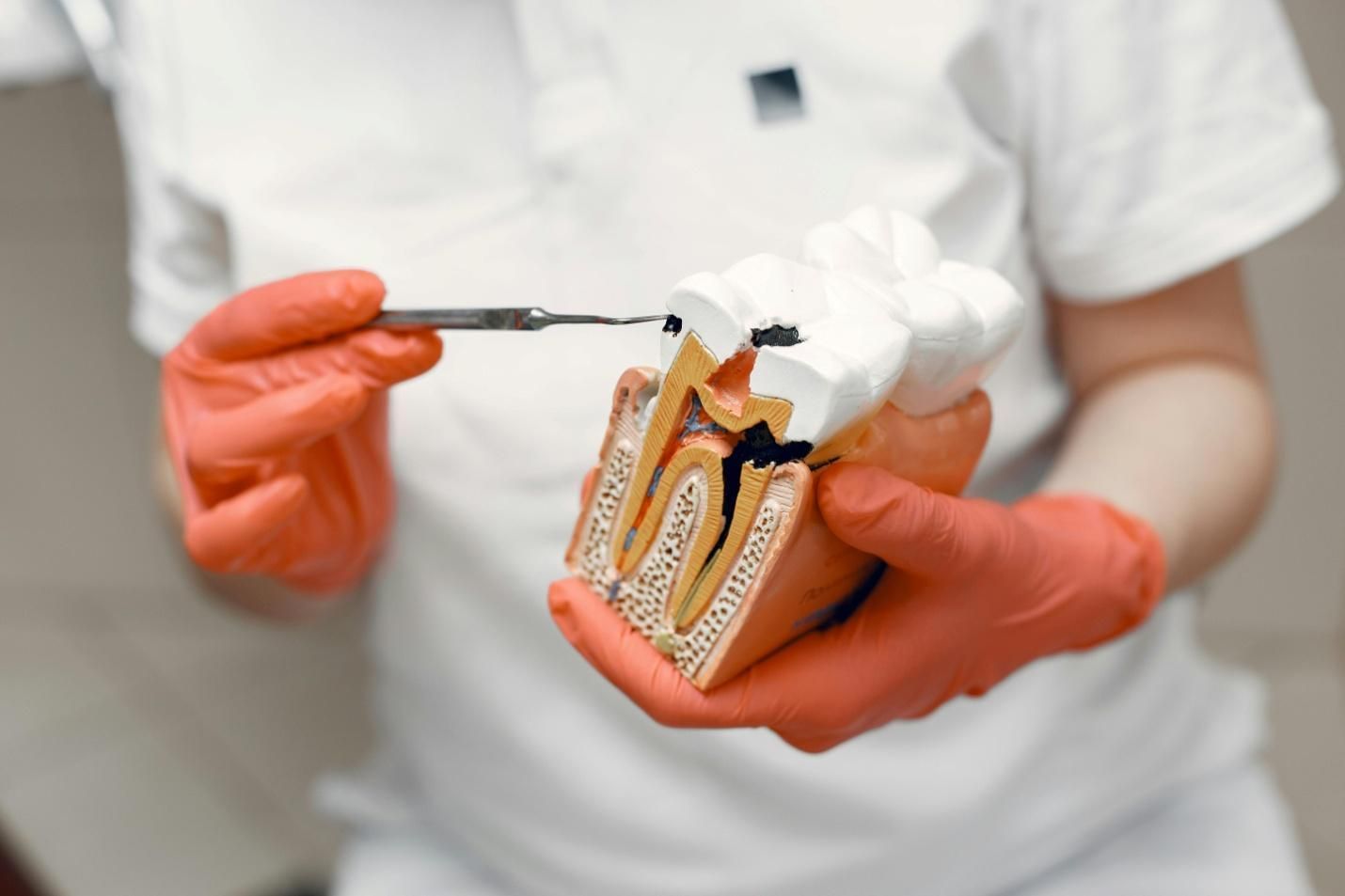
Every smile deserves to stay healthy, strong, and pain-free, which often means receiving timely dental treatments that protect and restore your teeth with care and precision.
That’s why a comprehensive care provider like Hour Dental is so valuable. We provide comprehensive services, from fillings, crowns, and tooth extraction to preventive cleanings, emergency care, and full restorative solutions, all designed to keep your oral health on track.
With a modern approach to general dentistry and patient-centered care, we make it easy to maintain long-term dental wellness. Take the next step toward a healthier smile. Schedule your visit with Hour Dental today for reliable, high-quality dental services from a team you can trust.